
Climate change is reshaping agriculture worldwide. Farmers face extreme weather, rising costs, and uncertain harvests as they adapt to new realities.
Climate Change Forces Farmers to Adapt to New Agricultural Challenges
Climate change is no longer a distant concern for the agricultural sector. Across many regions of the world, farmers are already experiencing its effects firsthand. Rising temperatures, unpredictable rainfall, prolonged droughts, and extreme weather events are transforming how food is grown and forcing farmers to adapt to conditions that were once considered rare.
Agriculture has always depended on weather patterns, but the growing instability of climate systems has made farming more uncertain than ever. For many producers, traditional methods are no longer enough to ensure consistent yields, placing both livelihoods and food security at risk.
Extreme Weather Disrupts Farming Cycles
One of the most visible impacts of climate change on agriculture is the increase in extreme weather events. Heatwaves are becoming more frequent and intense, stressing crops and livestock alike. Extended droughts reduce water availability, while sudden heavy rains can cause flooding, soil erosion, and crop loss.
Farmers report that planting and harvesting seasons are becoming harder to predict. Crops may mature earlier or later than expected, complicating planning and increasing the risk of financial losses. In some areas, once-reliable growing conditions are shifting entirely, forcing farmers to reconsider which crops they can realistically produce.
Livestock farming is also affected. Heat stress reduces animal productivity and increases health risks, while water shortages and reduced feed quality further strain operations.
Rising Costs and Financial Pressure
Climate-related challenges are accompanied by rising production costs. Irrigation systems, protective infrastructure, and climate-resilient seeds require significant investment. At the same time, fuel, fertilizer, and energy prices remain high, squeezing profit margins.
Smaller farms are particularly vulnerable. With limited financial reserves, many struggle to absorb losses caused by poor harvests or unexpected weather events. Some farmers face difficult decisions about whether to continue operating or exit the industry altogether.
Insurance schemes and government support programs can help mitigate risks, but coverage is often uneven or insufficient. As climate impacts intensify, calls for stronger safety nets and targeted financial assistance are growing louder.
Adapting Through Innovation and Technology
Despite the challenges, farmers are not standing still. Many are adopting new technologies and practices to increase resilience. Precision agriculture tools, such as soil sensors and weather monitoring systems, allow farmers to make more informed decisions about irrigation, fertilization, and planting schedules.
Drought-resistant and heat-tolerant crop varieties are gaining popularity, offering better performance under changing conditions. In some regions, farmers are diversifying crops to spread risk and reduce dependence on a single harvest.
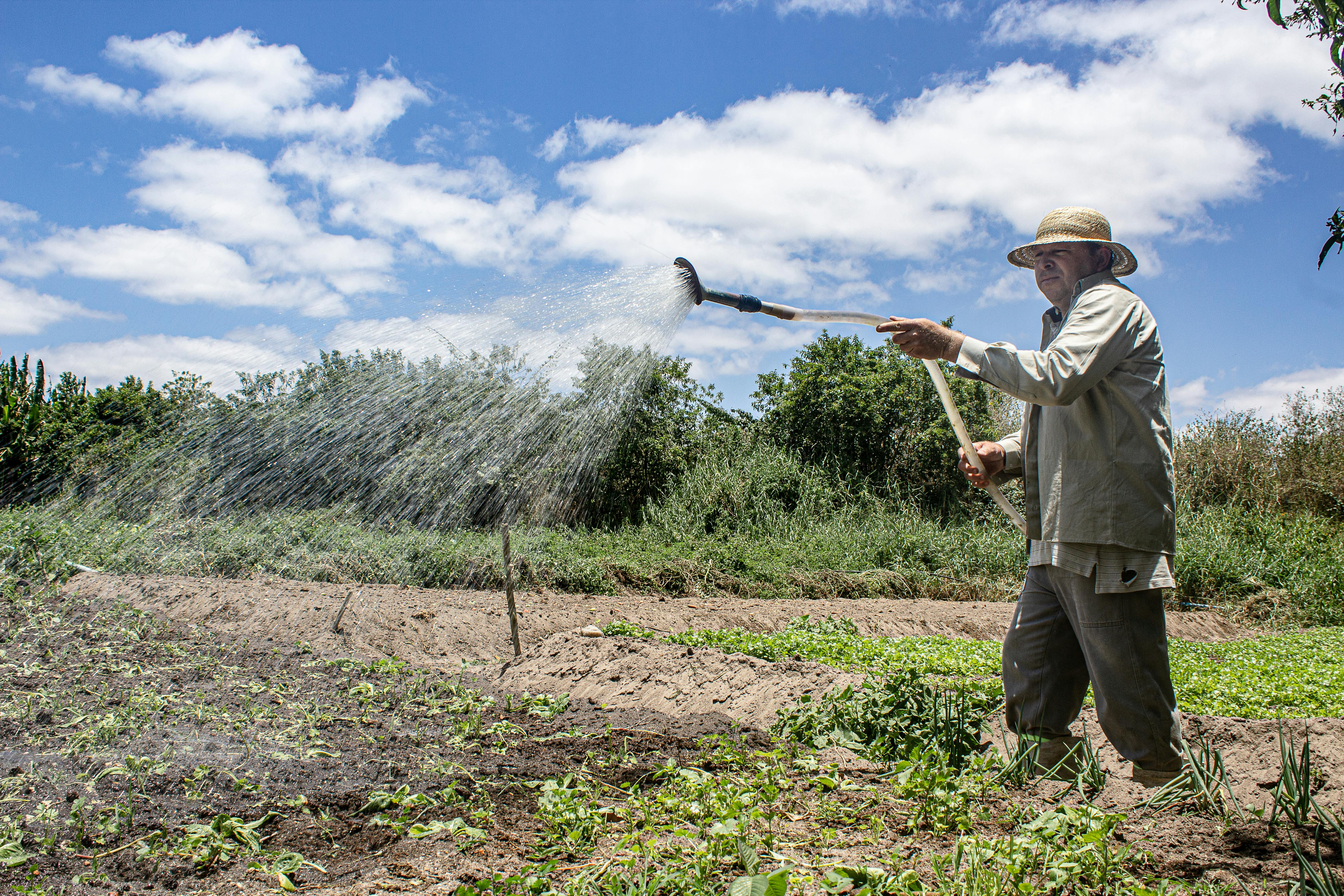
Water management has become a central focus. Efficient irrigation systems, rainwater harvesting, and soil conservation techniques help preserve limited resources and protect long-term productivity. These innovations not only support adaptation but can also reduce environmental impact.
Sustainability and Environmental Balance
Climate change has also accelerated the push toward more sustainable farming practices. Reducing soil degradation, improving biodiversity, and lowering greenhouse gas emissions are increasingly seen as essential goals for the agricultural sector.
Practices such as crop rotation, reduced tillage, and integrated pest management help improve soil health and resilience. By maintaining healthier ecosystems, farms can better withstand climate-related stress and remain productive over time.
Consumers are playing a role as well. Growing demand for sustainably produced food encourages farmers to adopt environmentally responsible methods, although meeting these expectations can require additional resources and support.
Implications for Food Security
The effects of climate change on agriculture extend beyond individual farms. As production becomes less predictable, food supply chains face greater volatility. Price fluctuations, shortages, and increased reliance on imports are potential consequences, particularly in regions heavily dependent on domestic agriculture.
Experts warn that without effective adaptation strategies, climate change could exacerbate global food insecurity. Vulnerable populations are most at risk, highlighting the importance of coordinated action at local, national, and international levels.
Investing in agricultural research, infrastructure, and education is widely viewed as critical. Supporting farmers in adapting to climate realities is not only an environmental issue but also an economic and social priority.
Looking to the Future
As climate change continues to reshape agriculture, adaptability will be key. Farmers, policymakers, and researchers must work together to develop solutions that balance productivity with sustainability. While challenges are significant, innovation and collaboration offer pathways forward.
The future of agriculture will likely look different from the past, shaped by new technologies, practices, and environmental conditions. By embracing change and investing in resilience, the farming sector can continue to provide food while navigating an increasingly uncertain climate.