
Digital payments are reshaping how people spend, save, and manage money. From mobile wallets to contactless cards, cashless habits are accelerating.
Digital Payments Are Transforming Everyday Financial Habits Worldwide
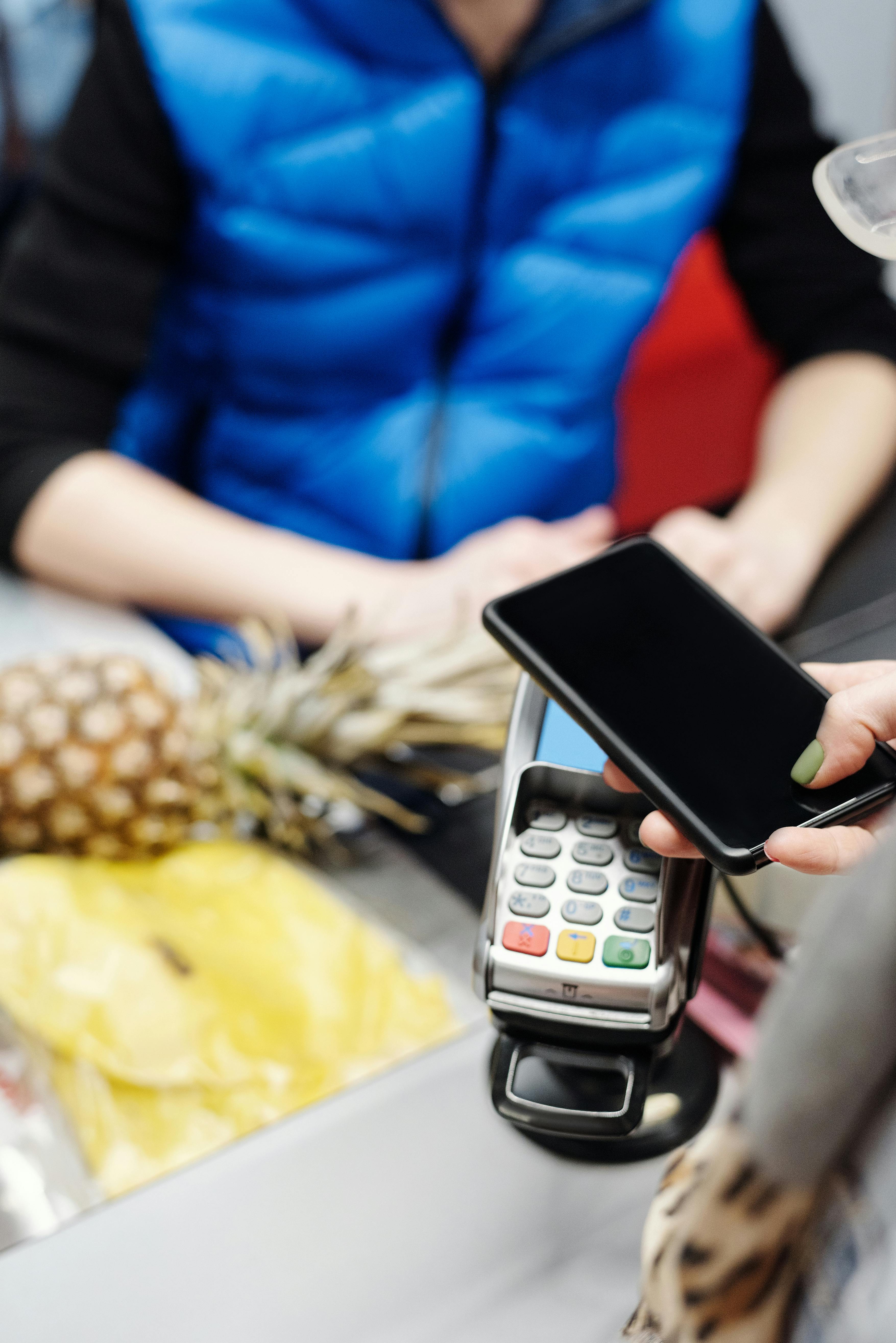
The way people handle money is changing rapidly. Across cities and small towns alike, digital payments are becoming an everyday part of life, reshaping how consumers pay for goods, manage finances, and interact with banks. What once felt like a convenience has evolved into a dominant financial behavior, driven by technology, efficiency, and changing expectations.
From contactless cards and mobile wallets to online banking and instant transfers, digital payment systems are increasingly replacing cash. This transformation is not limited to one region or income group; it is a global trend influencing economies, businesses, and households in profound ways.
The Rise of Cashless Transactions
In many countries, cashless payments have surged over the past few years. Supermarkets, public transportation systems, restaurants, and even small vendors now accept digital payments as standard practice. Consumers appreciate the speed and simplicity of tapping a card or scanning a phone instead of handling cash.
Mobile wallets and banking apps have played a central role in this shift. With a smartphone, users can pay bills, transfer money, track spending, and store multiple cards in one place. This convenience has accelerated adoption, particularly among younger consumers who value seamless digital experiences.
Businesses have also embraced digital payments. Faster checkout processes, reduced cash handling costs, and improved transaction tracking make electronic payments attractive for merchants of all sizes. As a result, many businesses now encourage or even prefer cashless transactions.
Changing Consumer Behavior
As digital payments become routine, consumer behavior is evolving. Financial decisions are increasingly shaped by real-time information. Spending alerts, budgeting tools, and transaction histories give users immediate insight into their finances, promoting greater awareness and control.
Some experts suggest that digital payments can influence spending habits in both positive and negative ways. On one hand, transparency and tracking tools help consumers manage budgets more effectively. On the other, the ease of cashless spending may encourage impulse purchases, as payments feel less tangible than handing over physical money.
To address this, financial education and responsible design are becoming priorities. Many payment platforms now include features that promote mindful spending, such as monthly summaries, spending limits, and savings goals.
Financial Inclusion and Accessibility
Digital payments are also reshaping access to financial services. In regions where traditional banking infrastructure is limited, mobile payment solutions have expanded financial inclusion. Individuals who previously lacked bank accounts can now participate in digital economies through mobile-based systems.
This increased access has economic implications. Digital payments enable faster transactions, reduce reliance on informal cash systems, and support small businesses by connecting them to broader markets. Governments and institutions view digital finance as a tool for economic growth and transparency.
However, challenges remain. Not everyone has access to smartphones, reliable internet, or digital literacy. Ensuring that the transition to cashless systems does not exclude vulnerable populations is an ongoing concern for policymakers and service providers.
Security and Trust in Digital Finance
As digital payments grow, so does the importance of security. Consumers expect their financial data to be protected, and any breach can undermine trust. Payment providers invest heavily in encryption, authentication, and fraud detection technologies to safeguard transactions.
Biometric authentication, such as fingerprint or facial recognition, is becoming more common, adding an extra layer of security while maintaining convenience. Education also plays a role, as users must understand how to protect themselves from scams and unauthorized access.
Despite concerns, surveys show that trust in digital payments continues to increase. Familiarity, regulation, and improved security measures have helped reassure consumers that electronic transactions are safe and reliable.
Impact on Banks and Financial Institutions
Traditional banks are adapting to the digital payment revolution by investing in technology and innovation. Many have launched user-friendly mobile apps, partnered with fintech companies, and redesigned services to meet changing customer expectations.
Competition from fintech firms has pushed banks to become more agile. Faster payments, lower fees, and improved user experiences are now essential to remain competitive. This shift has transformed the relationship between customers and financial institutions, emphasizing convenience and personalization.
At the same time, regulators are working to balance innovation with consumer protection. Clear rules and oversight help ensure stability while allowing new technologies to flourish.

The Road Ahead
Looking forward, experts believe digital payments will continue to expand, shaping a more connected and efficient financial ecosystem. Emerging technologies such as artificial intelligence and blockchain may further streamline transactions, enhance security, and introduce new financial products.
While cash is unlikely to disappear entirely, its role is expected to diminish as digital alternatives grow more accessible and trusted. The challenge will be ensuring that this transition benefits everyone, regardless of age, income, or location.
As digital payments redefine everyday financial habits, they are not just changing how people pay, but how they think about money itself. This transformation marks a significant step toward a more digital, data-driven financial future.
- tags digital payments, cashless society, mobile wallets, contactless payments, financial technology, consumer behavior, banking innovation