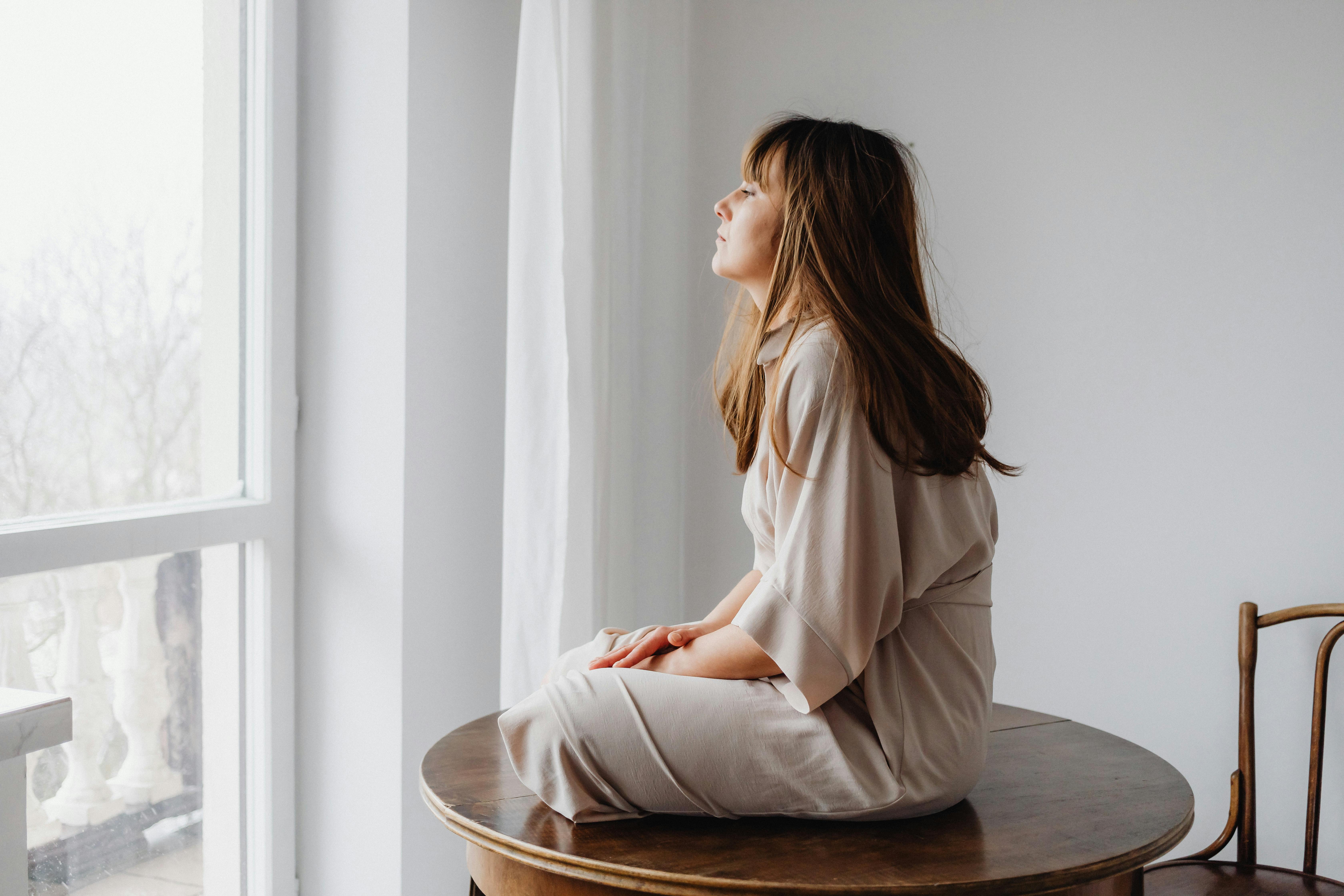
Boredom is often avoided, but it may hold unexpected value. A reflective look at why boredom matters in modern lifestyle.
The Hidden Value of Boredom in a World That Never Slows Down

Boredom has become something to escape as quickly as possible. In a world filled with constant stimulation, silence and empty moments are often treated as problems that need fixing. A phone is reached for, a screen lights up, and the pause disappears before it has a chance to settle.
Yet boredom was not always seen this way. There was a time when doing nothing was simply part of daily life. Waiting, resting, and letting time pass were not viewed as failures of productivity. Today, those empty moments feel unfamiliar, even uncomfortable. This discomfort raises an important question: what if boredom is not the enemy, but something quietly valuable?
How Boredom Became Unacceptable
Modern lifestyle rewards constant engagement. Productivity, entertainment, and connection are always available, often at the same time. The idea of being idle clashes with a culture that values speed an
d visible activity.
From a young age, people are enco
uraged to stay busy. Free moments are quickly filled, often without conscious choice. Over time, the ability to sit with boredom fades, replaced by the instinct to seek constant input. This shift did not happen suddenly. It developed gradually, until avoiding stillness felt completely normal.
In many ways, boredom became associated with laziness or inefficiency. Something to be eliminated rather than explored.
The Discomfort of Doing Nothing
Boredom often feels uncomfortable because it removes distraction. When there is nothing to focus on externally, attention naturally turns inward. Thoughts surface. Emotions become more noticeable. The mind, used to constant stimulation, does not immediately know what to do with the silence.
For many people, this is when restlessness appears. The urge to fill the space becomes strong. Yet this discomfort is not always negative. It can be a sign that the mind is adjusting to a slower pace, recalibrating after long periods of stimulation.
Instead of numbing boredom, allowing it to exist can reveal what has been quietly ignored beneath the noise.
Boredom as a Doorway to Awareness
When boredom is not immediately interrupted, something interesting happens. The mind begins to wander freely. Ideas form without pressure. Reflections arise naturally, without being forced.
Many creative insights are born in moments of boredom. Without external stimulation, the brain starts making unexpected connections. This is why boredom has long been linked to creativity, imagination, and problem-solving. It creates space for thought to move in its own direction.
In modern life, however, these moments are often cut short. The pause is filled before it has a chance to unfold.
Digital Stimulation and Lost Pauses
Smartphones and digital platforms are designed to eliminate boredom. Endless scrolling, notifications, and quick content ensure there is always something to consume. Waiting becomes rare. Silence feels unnecessary.
While this offers convenience and entertainment, it also removes natural pauses from daily life. Moments that once allowed rest or reflection are now occupied by screens. Even short breaks are filled instantly.
As a result, many people feel mentally tired despite constant stimulation. The body may stop, but the mind rarely does.
Why the Mind Needs Empty Space
Just as the body needs rest, the mind needs space. Boredom creates that space. It allows mental processing without direction or expectation. There is no goal to reach, no task to complete.
In these quiet moments, thoughts reorganize and emotions settle. Without constant input, the mind can recover from overload. This process supports clarity and emotional balance, even if it feels uncomfortable at first.
Boredom does not need to be long or dramatic. Even short moments of doing nothing can have a calming effect when allowed to exist.
Learning to Sit With Stillness
For many people, relearning how to be bored takes practice. At first, stillness may feel awkward or even unsettling. The instinct to reach for distraction is strong, almost automatic.
Over time, however, boredom can become more comfortable. The silence feels less threatening. Moments of pause begin to feel grounding rather than empty. Time slows down slightly, creating a sense of space within the day.
This shift changes how people experience life. Days feel less rushed, even when responsibilities remain.
Boredom and Emotional Balance
Boredom also plays an important role in emotional health. Constant stimulation can mask underlying feelings. When distractions stop, emotions have space to surface and settle.
This process is not always easy. Facing boredom may bring up restlessness, sadness, or uncertainty. Yet it is also honest. It allows people to reconnect with themselves without performance or distraction.
Emotional clarity often begins in moments when nothing else is happening.
Redefining Productivity
In modern lifestyle, productivity is often measured by visible activity. Boredom challenges this idea. It reminds us that not all valuable moments look productive.
Some of the most important mental and emotional work happens quietly, without output. Reflection, rest, and internal processing rarely show immediate results, yet they shape long-term wellbeing.
By allowing boredom, people expand their definition of a meaningful day.
Choosing Not to Fill Every Moment
Choosing boredom is not about rejecting modern life. It is about balance. It means allowing moments to remain unfilled, even when distraction is available.
This choice is subtle but powerful. It reclaims time, attention, and presence. It creates space for thought, creativity, and genuine rest.
In a world that never slows down, boredom becomes a quiet form of resistance.
A Lifestyle That Leaves Room
A lifestyle that includes boredom is not empty. It is spacious. It leaves room for thought, creativity, and recovery.
By accepting boredom instead of escaping it, people rediscover something simple yet rare: the ability to just be.
And in that space, life often feels more real.
Be First to Comment