
Food prices across Europe continue to rise, putting pressure on household budgets. Experts warn that inflation may reshape consumer habits long-term.
Rising Food Prices in Europe Put Growing Pressure on Household Budgets
Across Europe, families are feeling the impact of steadily rising food prices, as everyday essentials become increasingly expensive. From bread and dairy products to cooking oil and meat, the cost of basic groceries has climbed in many countries, forcing households to rethink how they spend and plan their monthly budgets.
According to recent market data, food inflation remains one of the most persistent challenges facing European consumers. While overall inflation has slowed in some regions, grocery prices continue to rise at a pace that outstrips wage growth. This imbalance has created financial strain, particularly for low- and middle-income families who already dedicate a significant portion of their income to food.
Multiple Factors Driving Price Increases
Economists point to a combination of factors behind the ongoing rise in food prices. Higher energy costs have increased expenses throughout the supply chain, from agricultural production to transportation and storage. Farmers face rising prices for fuel, fertilizers, and animal feed, while food processors and retailers struggle with higher electricity and logistics costs.
Global uncertainty has also played a role. Disruptions in international trade, climate-related challenges affecting harvests, and geopolitical tensions have reduced supply stability. When supply becomes unpredictable, prices tend to rise, and consumers ultimately bear the cost.
In addition, labor shortages in agriculture and food production sectors have increased operational costs. Employers are offering higher wages to attract workers, which further contributes to rising prices on supermarket shelves.
Changing Consumer Behavior
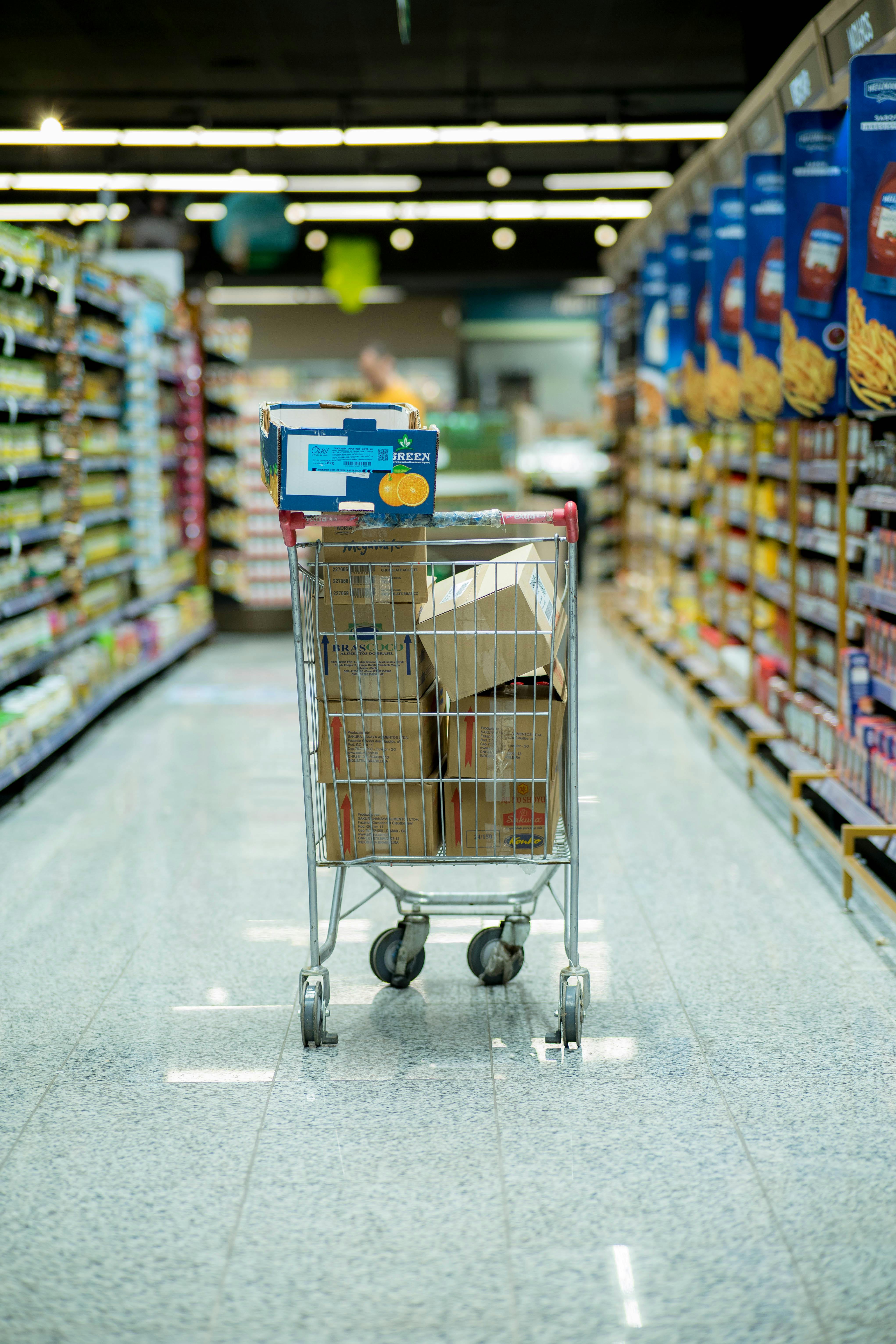
As prices increase, many European consumers are adjusting their shopping habits. Supermarkets report a noticeable shift toward lower-cost brands, private-label products, and promotional offers. Shoppers are becoming more price-conscious, comparing costs across stores and reducing impulse purchases.
Some families are also changing what they eat. There is growing demand for affordable staples such as pasta, rice, and frozen vegetables, while sales of premium or imported food items have declined. In several countries, consumers are cooking more meals at home and cutting back on dining out to manage expenses.
Food waste reduction has become another priority. Households are planning meals more carefully, buying only what they need, and using leftovers more efficiently. These behavioral changes suggest that rising prices are influencing not just what people buy, but how they think about food consumption overall.
Impact on Farmers and Producers
While consumers struggle with higher prices, farmers and food producers are facing challenges of their own. Increased production costs mean that many producers operate with narrower profit margins despite higher retail prices. Smaller farms, in particular, are vulnerable, as they often lack the financial flexibility to absorb rising expenses.
Some producers have warned that without continued support or stabilization measures, they may be forced to reduce output or exit the market entirely. This could further tighten supply and push prices even higher, creating a difficult cycle for both producers and consumers.
At the same time, interest in local and regional food products is growing. Consumers increasingly view locally sourced goods as fresher and more reliable, and in some cases, more affordable due to reduced transportation costs. This trend could provide new opportunities for local farmers, although it may not fully offset broader inflationary pressures.

Government and Institutional Responses
European governments and institutions are closely monitoring the situation. Several countries have introduced measures such as temporary tax reductions, price caps on selected essential goods, or targeted financial assistance for vulnerable households. While these interventions offer short-term relief, experts caution that they are not permanent solutions.
Economists emphasize the importance of long-term strategies, including investment in sustainable agriculture, energy efficiency, and resilient supply chains. Strengthening domestic food production and reducing dependence on volatile global markets could help stabilize prices over time.
However, policymakers also acknowledge that meaningful change will take time. Until then, households may need to continue adapting to a higher cost of living, particularly when it comes to food.
Long-Term Outlook
Looking ahead, analysts believe that elevated food prices may become a new normal rather than a temporary phase. Climate change, energy transitions, and evolving global trade dynamics are likely to keep pressure on food systems. As a result, European consumers may permanently adjust their expectations and consumption patterns.
While some signs of stabilization are emerging, uncertainty remains high. For now, families across Europe are navigating a challenging economic environment, balancing rising grocery bills with limited income growth. How governments, producers, and consumers respond in the coming years will play a crucial role in shaping the future of food affordability across the continent.